Selecting the right neighbourhood is the single most powerful decision you will make when renting a room in Singapore. A good match reduces daily stress, saves money and shapes your social life. Begin by defining your non negotiables: maximum commute time, need for late night transport, and the type of neighbourhood feel you prefer. Keep these three firm priorities and use them to filter every viewing; this prevents small conveniences from distracting you into a costly, inconvenient location.
Two practical filters work better than general advice. Apply them in sequence so your search is efficient and predictable.
Commute and transport
Commute reliability matters more than raw distance. Pick areas that keep your door to workplace travel under 45 minutes during peak hours. To measure this precisely, simulate a commute during peak time using the transit planner or a map app and record the total door to door time. If you rely on rail, insist on properties within an 800 metre walk to an MRT station; that is roughly a ten minute walk and provides consistent journey times. If your work schedule is irregular, choose a neighbourhood with at least two 24 hour transport options such as an MRT interchange plus late night buses or nearby taxi stands. This redundancy matters if one line has an outage.
Daily conveniences and weekend life
Once commute criteria are satisfied, assess daily convenience. Identify whether a wet market, supermarket and a basic clinic sit within a ten minute walk. For many people this short radius determines weekly quality of life more than being close to the central business district. If you value social life, map three leisure spots such as cafés, bars or hawker centres within a 15 minute walk. Those give you casual options for meeting friends without a long trip.
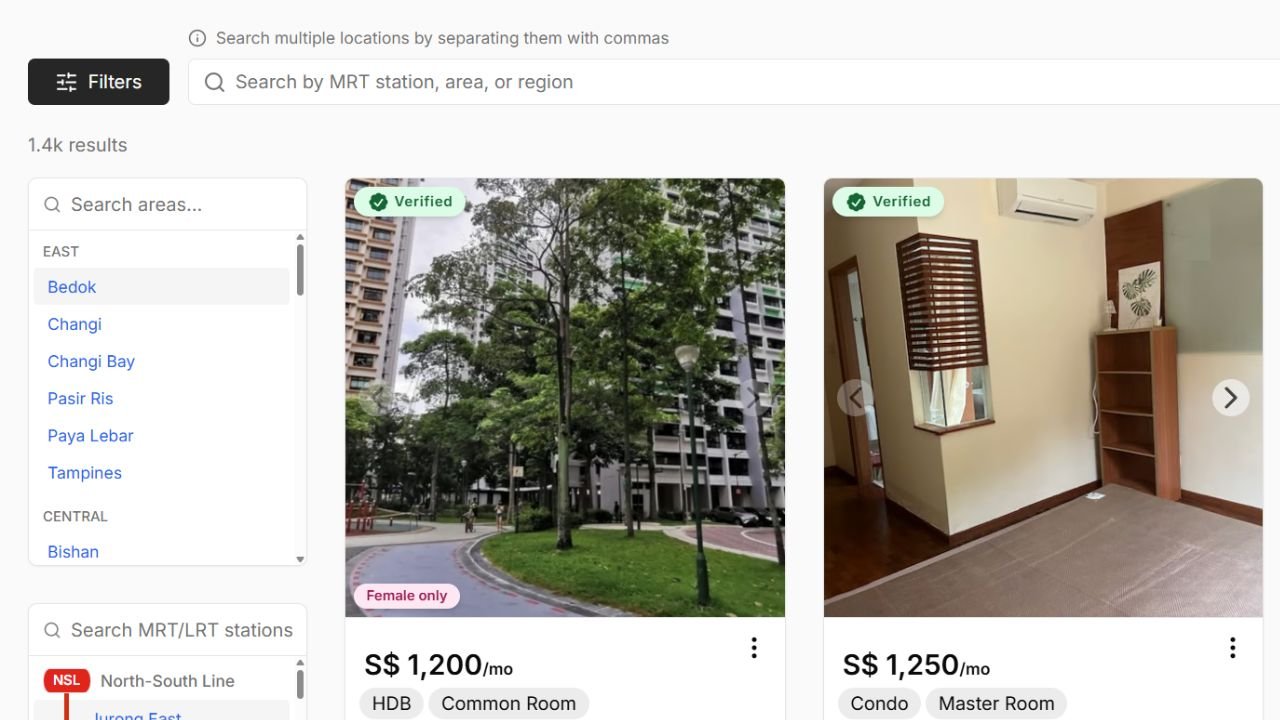
Finally, verify safety and noise at different times. Visit the neighbourhood once during daytime and once after 10 pm. Observe lighting, foot traffic and the character of nearby shops. A well lit street with active ground level businesses is both safer and more convenient. To consolidate neighbourhood research quickly check trusted local listings and compare a handful of options using a single commute test and a short amenities walk. If you need a reliable starting point for listings, try a targeted site such as singapore rent room finder to compare verified room adverts in areas that meet your commute and lifestyle filters.
Inspection and move in procedure that protects your deposit
Protecting your deposit begins with a meticulous, documented inspection and a clear move in procedure. Before you pay anything, make the inspection a formal process. Take time to record the exact condition of every surface, fixture and appliance. Use your phone to capture timestamped photos and short videos; then upload them to cloud storage and email the link to the landlord or agent. This step creates an independent record that will be invaluable if deposit disputes arise.
Below is a detailed checklist to use during the inspection. Read the short introduction first, then proceed through each item in sequence so nothing is missed. After the list there are two final administrative actions to complete on move in day.
- Walls and ceilings. Scan for damp patches, mould, hairline cracks and peeling paint. Photograph each problem area with a ruler or object for scale. Note the exact location such as left of wardrobe or above kitchen sink and record it in a short written inventory.
- Flooring. Walk every corner; check for loose tiles, deep scratches and stains. Take wide and close up photos. If the floor has wooden panels, test for squeaks and gaps at the seams.
- Doors and locks. Open and close every door. Test keys and any coded locks. If a digital keypad exists, request the default code and ask for evidence the code will be reset after you move out.
- Electrical and lighting. Switch all lights and test a minimum of two sockets per room with a phone charger and lamp. Note any flickering, unusual smells or warmth from sockets which may indicate wiring issues.
- Plumbing and water. Run taps and shower for at least one minute. Check for steady pressure and sustained hot water. Inspect under sinks for moisture and odour. Record water heater model and any visible service stickers.
- Appliances. Turn on refrigerator, microwave and air conditioner. Run air conditioning for 15 minutes to confirm cooling and listen for abnormal noises. Ask for user manuals or service receipts if available.
- Internet and signal. Ask the landlord for the provider and run a quick speed test. Record download and upload speeds and attach a screenshot to your inspection notes.
- Safety items. Ensure smoke detectors are present and functional, and that fire extinguishers are accessible and within service dates.
After completing the checklist perform two administrative actions without delay. First, prepare an inventory and condition report that itemises furnishings and defects. Email it to the landlord and request a signature or a written acknowledgement. Second, record meter readings for electricity and water with a photo and note the date and time. These simple steps drastically reduce the risk of unfair deductions from your deposit and make the move out process far smoother.
Negotiation levers and clear clauses to include in the tenancy
Negotiation in the room rental market works when you focus on predictable outcomes rather than an elusive lowest price. Use specific levers that landlords value and insist on contract clauses that remove ambiguity. The two most powerful negotiation levers are certainty of tenancy and cleanliness of paperwork. Use them to convert a verbal agreement into a simple, enforceable contract.
Payment, deposit and fixed term options
Propose a straightforward payment plan. Offer one month deposit and first month rent in advance as the standard; this is widely accepted and signals commitment. If you prefer flexibility, ask for a three month fixed term with a one month notice afterwards. If stability suits both parties, agree a twelve month fixed term and include an early termination clause where the tenant may exit with one month notice plus one month rent in lieu. Put these terms in writing and include precise dates for rent due each month and the bank account details for transfers to avoid disputes.
Repairs, responsibilities and exit conditions
Define repair responsibilities clearly. Specify that the landlord covers structural and major appliance repairs such as air conditioning compressor failure. The tenant handles minor consumables such as light bulbs and replacement fuses up to a stated amount for parts only. For exit conditions require a documented inventory and a mutually agreed inspection at least seven days before move out. Include a deposit refund timeline such as within 14 days of handover, with a simple deduction formula tied to repair receipts for any legitimate charges.
Finally, include a short dispute resolution clause that asks both parties to attempt mediation through a neutral third party before legal steps. This reduces friction and keeps the relationship professional. With these negotiation levers and clear, plain language clauses in place you will secure a fair, predictable tenancy that protects both your security deposit and your peace of mind.